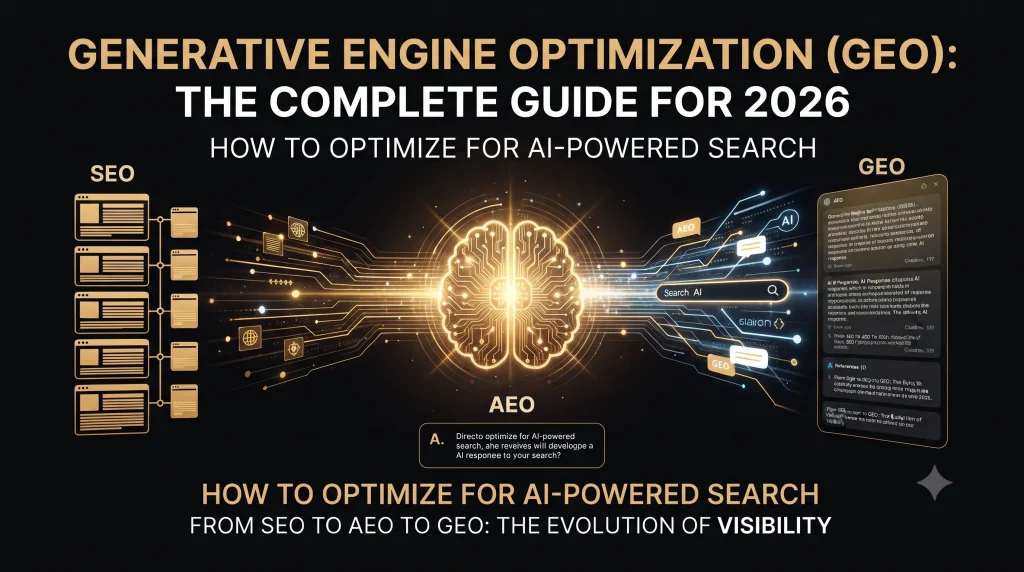
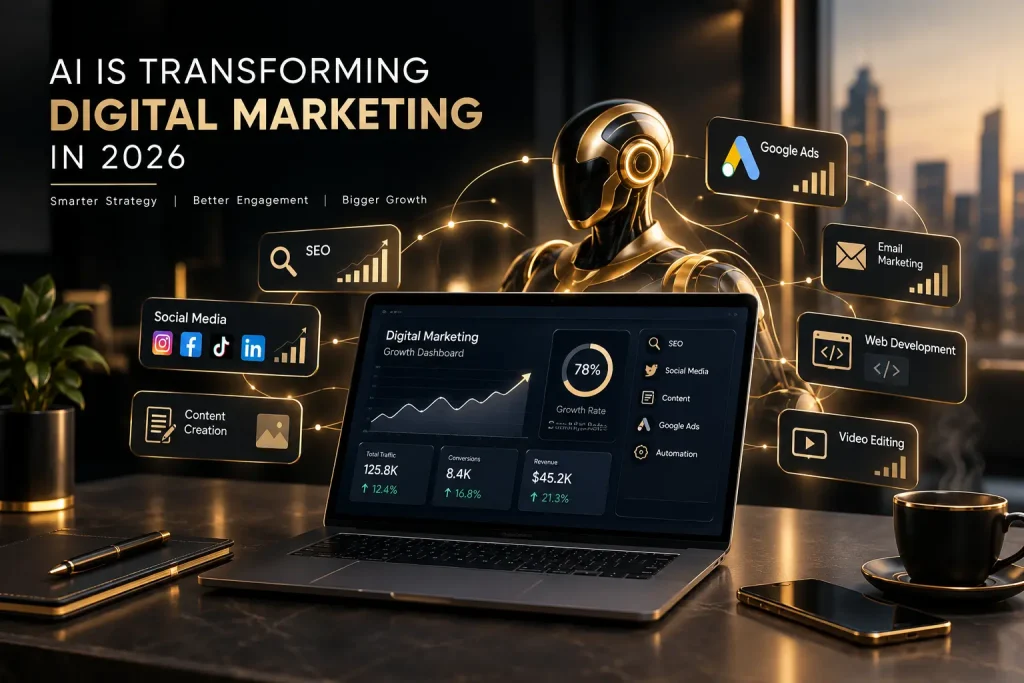
The Rise Of AI In Digital Marketing Artificial intelligence (AI) is transforming the way companies design and manage their digital marketing operations. From understanding customers’ preferences to automating writing, AI can facilitate the effective utilization of vast amounts of data by digital marketers. In 2026, AI will continue to permeate key areas of digital marketing, including search, advertising, social media, content creation, personalization, and automation. Google, for instance, continues to experiment with AI-driven Search features, such as AI Overviews and AI Mode, and, in the process, reimagining how information is retrieved on the web. That said, websites, blogs, SEO, social media engagement, email marketing, ads, and brand building will remain critical areas of focus. However, businesses must leverage AI to make these processes more data-driven, individualized, and efficient. Like with all technological innovations, businesses need to embrace AI strategically and selectively. The ultimate aim should be to rely on AI to resolve specific marketing challenges while continuing to prioritize human-centered approaches to marketing. This includes investing in creative content, brand development, and strategic decision-making that requires human judgement. What is AI Marketing? AI marketing refers to the application of artificial intelligence technologies in marketing processes. These technologies enable artificial intelligence to analyze, recognize patterns, learn, collect and create ideas, individualize, and help humans to make decisions more quickly. For instance, an AI can scan through customer interactions to help come up with the types of content that may appeal to specific buyers. Besides generating content ideas, artificial intelligence can help market analysts come up with insights regarding the former customers’ behaviors. It can also help in analyzing the marketing mix, organizing consumer data, and recognizing variances. Using artificial intelligence in marketing does not solely involve generating content using an AI-driven tool. Instead, it can be integrated at various stages in the marketing process. For instance, it can be used to target audiences, attract new customers, engage existing buyers, persuade them to purchase, and analyze the results of a marketing campaign.